
FTL vs. LTL: Choosing the Right Mode
A practical way to balance cost, speed, handling, and shipment size when choosing between full truckload and less-than-truckload.
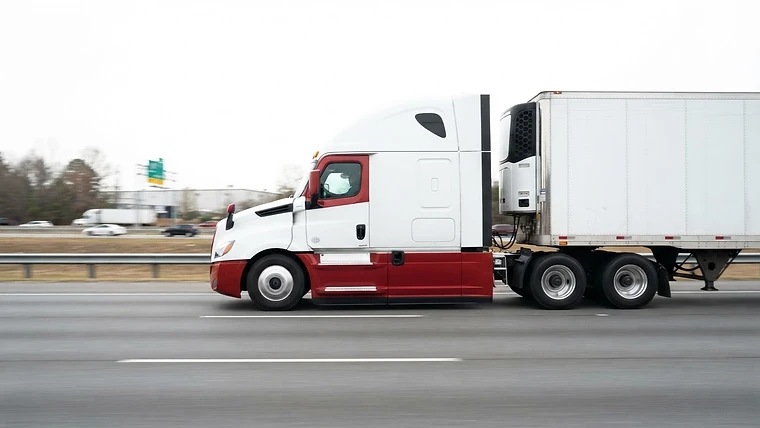
Choosing between Full Truckload (FTL) and Less Than Truckload (LTL) is one of the most common decisions in freight shipping. The right choice depends on shipment size, budget, speed, and handling requirements.
What Is FTL?
Full Truckload dedicates an entire trailer to a single shipment. The truck goes directly from pickup to delivery with no stops in between.
When to Choose FTL
- Shipments over 10,000–15,000 pounds
- Freight filling 12+ pallets
- Time-sensitive deliveries needing direct routing
- High-value or fragile freight that shouldn't be handled multiple times
- Shipments where expedited freight service is needed
What Is LTL?
Less Than Truckload combines freight from multiple shippers into one trailer. Each shipper pays for the portion of the trailer they use.
When to Choose LTL
- Shipments under 10,000 pounds
- 1–6 pallets
- Budget-constrained shipments where transit time is flexible
- Freight that can withstand terminal handling
Cost, Speed, and Handling Compared
| Factor | FTL | LTL | |--------|-----|-----| | Cost | Higher per shipment, lower per pound at volume | Lower for small shipments | | Speed | Direct, 1–2 days typical | 2–5 days with terminal stops | | Handling | Loaded once, unloaded once | Handled at each terminal | | Risk | Lower damage risk | Higher handling, more touchpoints |
When the Choice Isn't Obvious
Many shipments fall in a gray zone — 6–10 pallets, moderate weight. In those cases, a transportation management partner can model both options and recommend the right mode based on your priorities.
A freight broker can also consolidate LTL shipments or find backhaul FTL capacity to reduce costs.
The Charlotte Factor
Charlotte's dense carrier traffic on I-77 and I-85 means both FTL and LTL options are abundant. Local warehousing can buffer inventory to give you more flexibility in mode selection.
Contact 3PL Charlotte to evaluate your freight mix and optimize mode selection.